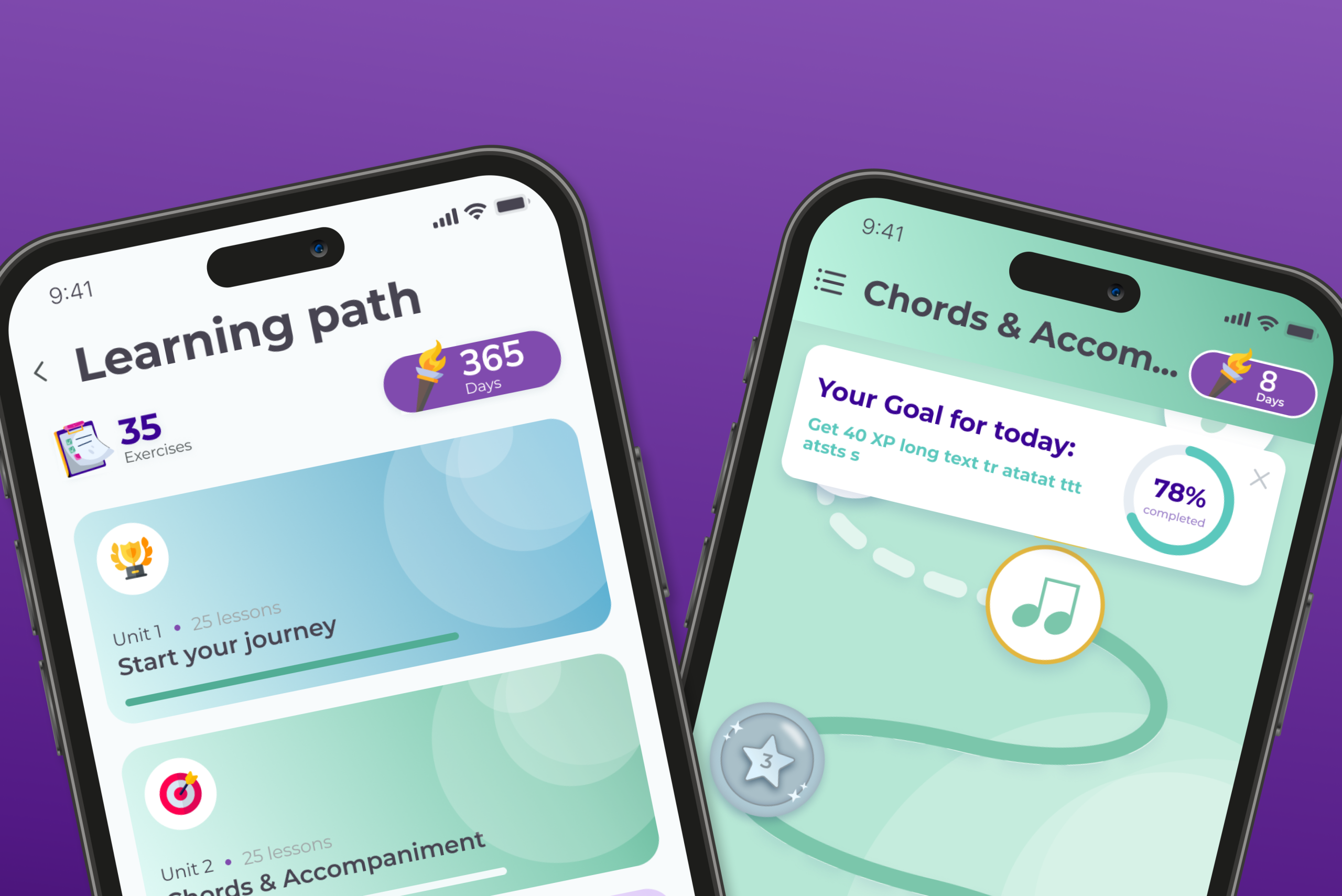
Introduction The Digital Revolution in Music Education
Unprecedented changes are going on in music education. Until recently, mastering musical notation, rhythm, and playing technique was connected to classrooms or private teachers; this process is now gradually shifting to the digital realm-the whole learning process. It is not only a technical phase but also a new philosophy of education in which accessibility, flexibility, and an individual approach play the key role.
This shift mirrors app-based learning across music apps, the rise of the Talented app, evolving learning trends, and a broader edtech boom that is reshaping how, where, and when people learn.
What follows is therefore the main conclusion: the transformation of the classic lesson of music into an interactive form, anytime and anywhere, allows for a unique possibility, thanks to an always-present smartphone, not just to listen to music but also to learn how to create it with new tools.
How Modern Technologies Change the Approach to Music Learning
Modern technologies, which affect many aspects of music education, essentially transform its structure and methods.
| Criteria | Traditional Lessons | Modern Digital Tools |
| Accessibility | Limited by schedule and place | Always at hand, whatever the place |
| Individualization | Depends on the teacher | Automatic adaptation to the student |
| Lesson Format | Theoretical, practical | Interactive, gamified |
| Feedback | Direct but rare | Continuous, data-driven |
Therefore, technology changes not only the very form of content delivery but also makes learning more effective, engaging, and accessible. This is the future music education reality in which we create our digital solutions. The momentum comes from online adoption, remote learning, modern instructional technology, and deeper digital engagement within mobile education and accessibility growth that fuel music democratization and app popularity.
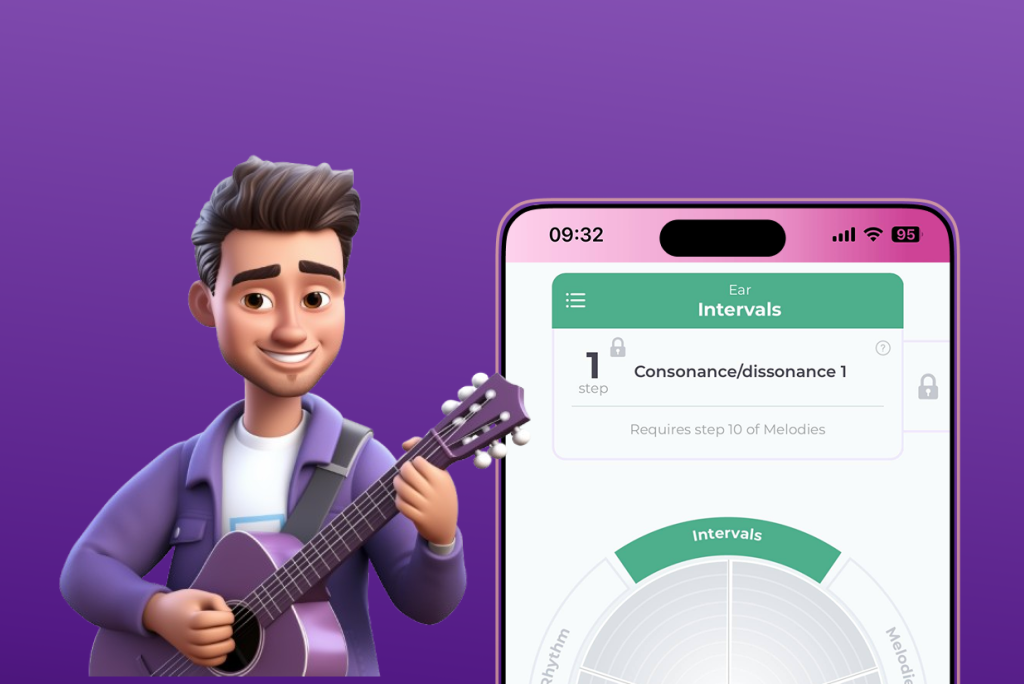
Features and Benefits of Learning Applications Like Talented
And modern music learning applications become something more than just supplementary tools; they become a full-fledged educational platform.
Apps like Talented therefore not only facilitate access to music education but make the whole process much more effective, dynamic, and adaptable to the needs of each user. Explore more at TalentedMusicApp.com as part of this growing app ecosystem.
Social and Cultural Factors Behind the Rise of Music Learning Applications
Social and cultural factors lie at the heart of why there has been such a rapid rise in the popularity of music learning applications, of which Talented is a part. To understand why such services have been adopted with such momentum today, it will be necessary to look into a number of significant factors driving modern user behaviors.
The factors acting in symbiosis are: dynamic lifestyle, desire for constant self-development, influences of digital communities, and reduction of financial barriers. Such an ideal soil turns musical applications into not just learning tools, but a full-fledged part of the cultural and social life of a modern person. This is app-based learning in action across broad online adoption.
The Role of Gamification and Personalization in Retaining Students’ Interest
While the quality of materials is important, the engaging nature of the process itself becomes key to successful music learning, considering how easy it is to capture and quickly lose users’ attention in today’s world. Innovative music app developers, we are aware that without student engagement, even the most advanced course faces the risk of never being completed.
Not a buzzword, gamification is a powerful method, thanks to which education turns into an exciting game. Here’s why it matters:
- Achievement-based motivation: Rewards — like badges, points, and level-ups — accompany every finished lesson and solved musical puzzle and exercise to evoke a person’s desire to keep moving and come back to practice again and again.
- Competitive spirit. Spurred on by leaderboards and the ability to share results with friends, the habit of regular practicing is encouraged, as nobody wants to be last or lose status within their circle.
- Rewards for continuity. Daily tasks and bonuses for persistence — the “continuous progress” effect — help us, developers, to hold the attention of even the most whimsical users.
One side of the coin is gamification. The other side is personalization—without which it is impossible to individually engage every student. Built into our systems are adaptations to:
- Degree of preparation. Beginners are given the simplest exercises so as not to overwhelm them, while advanced musicians are given challenges in line with their interests and level of development.
- Your preferences come first. Would you like to study Jazz, play piano or guitar? The platform knows about your musical preferences and provides the necessary adaptation of content so learning happens exactly in the style and pace that are comfortable.
- Learning pace. Not a race, every person at their own speed. Bearing in mind the individual differences, learning also becomes flexible and stress-free.
By putting these two approaches together, gamification, and personalization, we build up not just courses but a living, dynamic environment where each and every one is involved and valued. That’s the secret of keeping interest and motivation throughout the whole path of music study. In the end, when learning stops being routine and starts to feel like an exciting adventure, the user will gladly return day after day, making music a part of life. This is what motivates us in the development of new features and in the improvement of the experience of learning. The outcome is better user retention inside a thriving app ecosystem of music apps.
What Are the Opening Prospects for Music Applications in the Future
Music applications like Talented stand on the threshold of a qualitatively new stage of development. Regarding key directions, what might be expected in the following years?
- Integration with Artificial Intelligence (AI). Personalized recommendations, adaptation of curricula depending on a student’s style and level, analysis of errors, and automatic correction — all this today is already becoming a reality and only will improve in the future.
- Expansion of cross-platform capabilities. Seamless switching from smartphones, tablets, and computers, and even smartwatches will enable learning to fit naturally into everyday life as much as possible.
- AR/VR. Imagine music lessons where students interact with virtual instruments and even with other participants in real time while being in different corners of the world.
- Social interaction and competitions. Group challenges, joint projects, even international competitions are the elements that stir up motivation and create community.
- Deep personalization and hybrid learning formats. This means online applications combined with live teacher consultations and the drawing up of individual development plans stemming from users’ goals.
The potential of growing technologies is capable of not only making music education accessible but also maximally effective, interesting, and — most importantly — adaptive to every student. This expansion rides an edtech boom powered by learning innovation and sustained digital engagement.
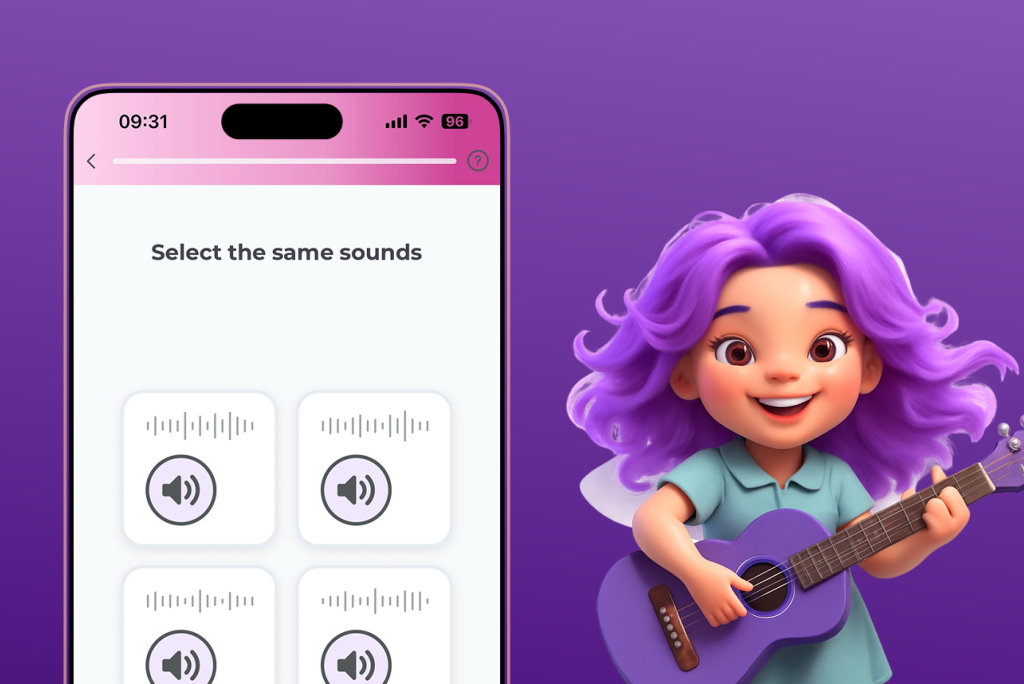
Conclusion What Successful Music Education in the Digital Age Is
Reduced not to the banal mastering of notes and technical skills, but rather to real success, music education in the modern world is. New criteria and new opportunities-the digital era dictate:
- Accessibility — learning should be anytime and anywhere, made possible by mobile applications.
- Individual approach — technologies allow taking into consideration the peculiarities of skills, rhythm, and preferences of every single student.
- Motivation and engagement — Gamification, feedback, and social features will help to make the learning process an exciting journey rather than a dull memorizing procedure.
- Flexibility — a possibility to choose the pace, format, and direction of studying, depending on the goal — be it professional growth or a hobby.
- Real-time feedback — the key to fast progress and adjustments, which saves one from constant visits to a teacher.
As a result, successful musical education today is a symbiosis of classical methods and modern technologies. Tools like the Talented app, serving as a bridge between traditions and innovations, offer a freedom of choice and quality not inferior to in-person lessons. Such integration in the era of digitalization becomes decisive for the formation of new generations of musicians and music lovers — the hallmark of app-based learning within learning trends that define the modern edtech boom.


Leave a Reply
You must be logged in to post a comment.